Book Oracle
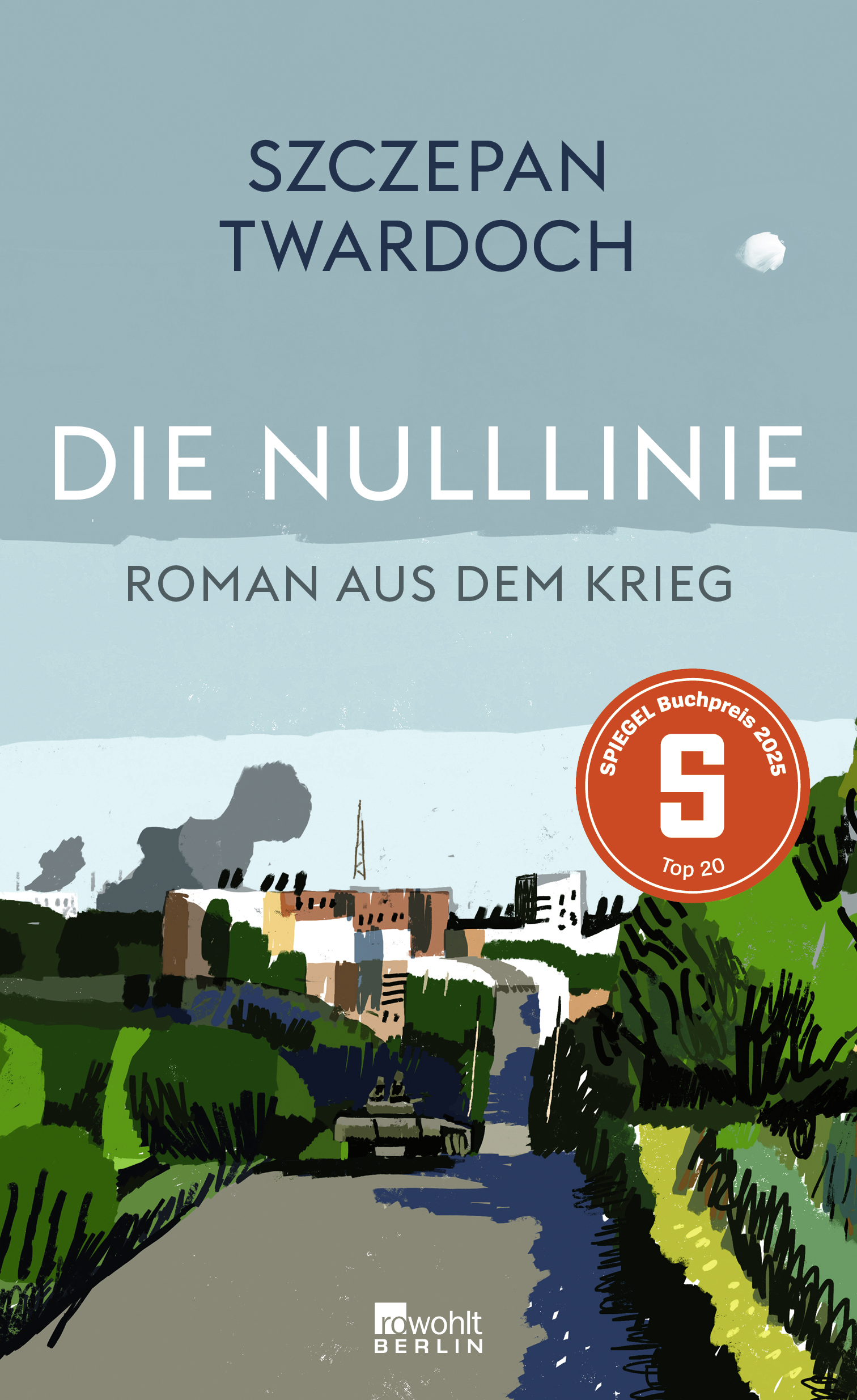
Die Nulllinie
Szczepan Twardoch (2025) · 256 pages
Die Nulllinie is a war novel written with the authority of proximity. It does not chase spectacle, and it does not need to. Twardoch compresses the modern battlefield into a moral pressure chamber where courage, fear, loyalty, and numbness coexist without resolving into a lesson. The book’s shock lies less in brutality than in recognition: a European war rendered with such immediacy that the usual distance of news and commentary quietly collapses.
Why read
Because it turns a war that many prefer to treat as background noise into something unavoidably human. This is a contemporary counterpart to Remarque in spirit, not in imitation: emotionally hard to digest, lucid in its fearlessness, and serious about what violence does to the inner life long after the moment passes.
Schym
Rating
I read Die Nulllinie with the strange unease that comes when literature catches up with the present. The Remarque comparison is not a compliment meant to flatter the book into a tradition. It is a recognition of function. Like the best war writing, it does not explain war. It exposes it, then leaves you alone with what you have seen.
What makes this novel so shocking is how little it relies on shock tactics. It is not especially brutal in the pornographic sense, not eager to pile atrocity upon atrocity. The devastation is quieter, more intimate, and therefore harder to digest. Twardoch’s sentences carry the emotional residue of modern fighting: the fatigue, the absurd logistics, the half belief in ideals, the need for comradeship even when you no longer believe in anything clean.
I read it during a business trip to Warsaw, which added its own harsh overlay. In between meetings and routines, I was exchanging messages with mothers who had lost their sons. That contrast, normality on one side, irreversible loss on the other, is exactly the moral atmosphere this book understands. It insists that war is not only what happens at the front. It is what radiates outward into families, into language, into the way people speak about time.
The hardest thought the novel presses forward is also the simplest: that there is a war in the middle of Europe, and the surrounding societies have developed a frightening talent for looking away. Not out of cruelty, but out of self protection, convenience, habituation. Die Nulllinie does not accuse with raised voice. It accuses by refusing to let you drift.
Every award feels well deserved because the book does what prizes claim to honor: it enlarges attention. Not by telling you what to think, but by making indifference harder to maintain.
Verdict: five stars. A severe, emotionally exact novel for readers who can tolerate discomfort and who want literature that does not soothe, but clarifies.
warcontemporary historynovelliterature