Book Oracle
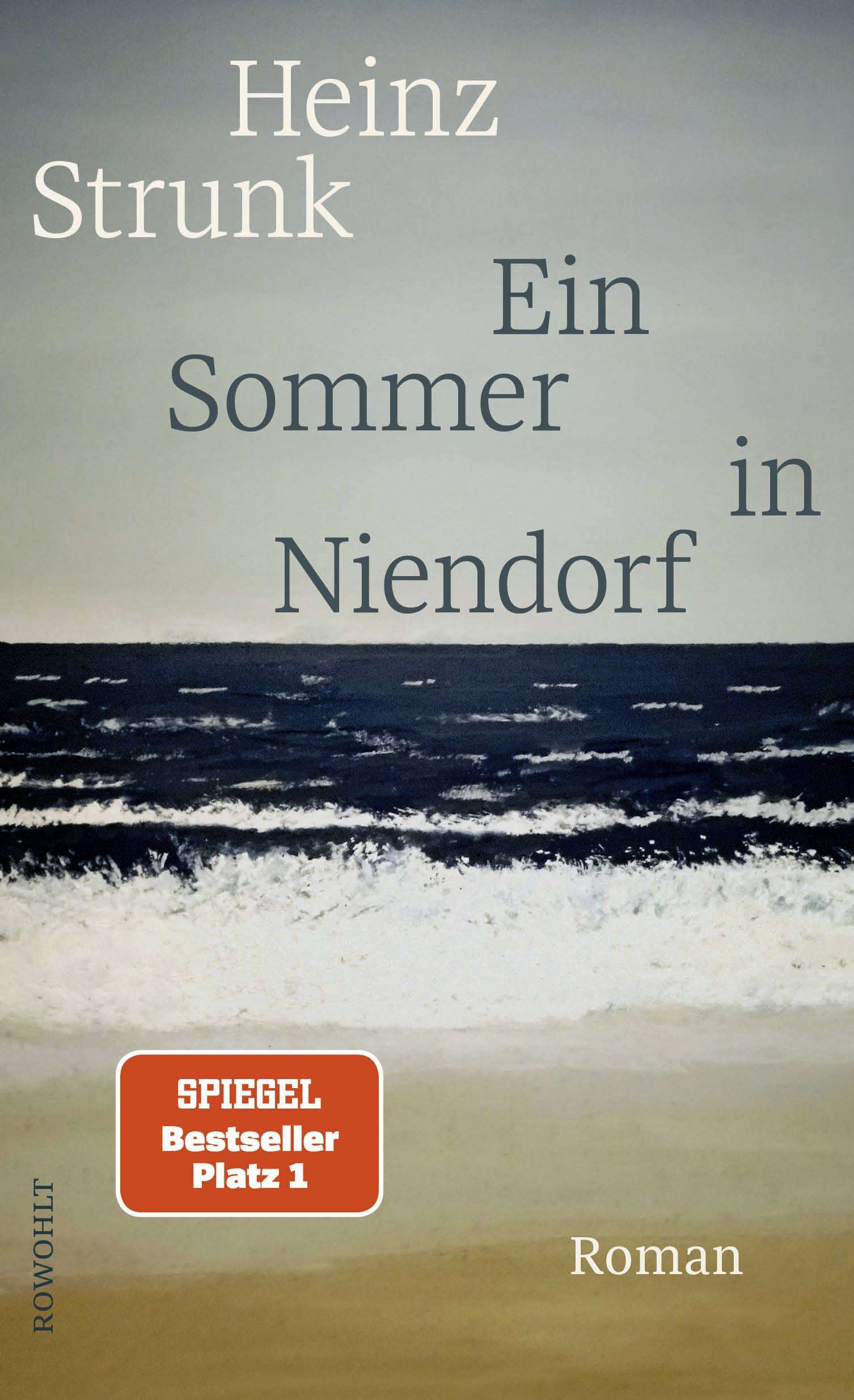
Ein Sommer in Niendorf
Heinz Strunk (2022) · 240 pages
In a modest Baltic Sea resort, a lawyer and would be writer retreats to Niendorf to finally produce a serious book and settle accounts with his family. What he finds instead is a sticky, petty bourgeois gravity: strangers who talk too much, drink too freely, and press themselves into his days until solitude becomes impossible. With his signature blend of precision, cruelty, and tenderness, Heinz Strunk turns a summer escape into a darkly comic study of self corrosion, longing, and the strange comfort of losing control.
Why read
Because Strunk can make the banal feel uncanny without ever inflating it. He writes with merciless clarity and a surprisingly warm attention to human weakness, so that a beach holiday becomes an X ray of dignity, desire, and quiet collapse. If you like novels that are funny, bleak, and oddly consoling at the same time, this one lands with full force.
Schym
Rating
Heinz Strunk has that rare authority where a sentence can be both joke and diagnosis. You read a page, you laugh, and a moment later you realize the laughter was simply the body reacting to recognition. Ein Sommer in Niendorf is built from exactly this tension: the ridiculousness of everyday life and the uncomfortable truth that the ridiculous is often where we actually live.
The setup is deceptively simple. A man goes to the seaside to work on something important, to become a better version of himself through discipline, distance, and a carefully chosen anonymity. Strunk understands, however, that anonymity is not a shield but a temptation. It invites the fantasy of reinvention, and fantasies are fragile. The novel’s pleasure comes from watching that fragility meet reality, not in grand catastrophes, but in small frictions, repeated encounters, and the slow loss of self command.
What makes the book feel so complete is its tonal control. Strunk writes with an almost scientific patience for social detail, yet he never mistakes detail for meaning. The milieu is observed sharply, sometimes mercilessly, but never with the cheap comfort of superiority. Everyone is compromised, everyone is a little ridiculous, and that shared condition becomes the novel’s strange kind of intimacy.
Pacing matters here, and Strunk handles it like someone who knows exactly when to tighten and when to linger. The narrative pulls you forward not through plot mechanics, but through accumulation: a sequence of scenes that grow heavier as they repeat, until repetition itself becomes the point. It is a very Strunk kind of suspense, the question is not what will happen, but how far a person can drift before he admits he has changed.
If there is one moment that felt slightly overplayed, it is the late love scene, which leans a touch too hard on intensity where the book elsewhere trusts understatement. It does not ruin anything, but it briefly breaks the spell of restraint that makes so much of the novel so powerful. The rest, though, is Strunk at his best: exact, funny, pitiless, and deeply humane.
Verdict: five stars. A dark, compelling summer novel that reads quickly but settles slowly. Best for readers who love sharp social observation, uneasy comedy, and stories where the real drama is the quiet dismantling of a self image.
novelcontemporary literatureGerman literaturesatire