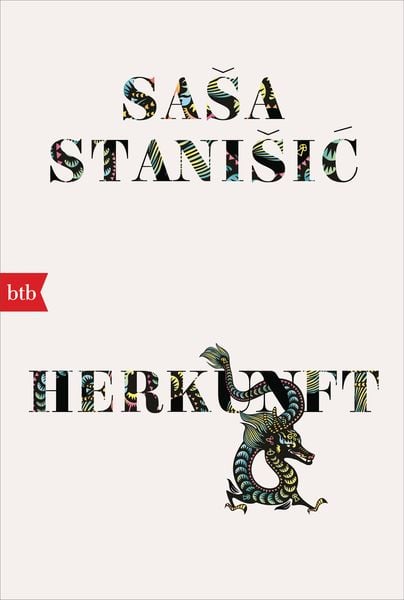
Book Oracle
Herkunft
Saša Stanišić (2019) · 368 pages
Herkunft is a book about origin as an accident and as a story we keep retelling until it changes shape. Moving between remembrance and invention, Saša Stanišić writes with playful precision about family, language, dislocation, and the strange intimacy of becoming German without ever fully ceasing to be elsewhere. The result is both tender and sharp, a portrait of belonging that refuses to sit still and finds its truth in motion rather than arrival.
Why read
Because it captures the immigrant experience without reducing it to either suffering or success. Stanišić shows how foreignness can be exhausting and hilarious at once, how bureaucracy, language, and memory collide, and how identity is formed less by answers than by the freedom to keep asking better questions.
Schym
Rating
Some books speak about migration as if it were a single story with a clean arc. Herkunft refuses that comfort. It behaves more like memory itself: selective, playful, looping back, suddenly tender, suddenly exacting. Stanišić does not merely describe the question of where you come from, he shows how the question keeps rewriting the person who is asked.
What stayed with me most is the tonal freedom. This is a book that trusts the reader enough to be funny without apologizing for the seriousness underneath, and serious without demanding solemnity. Germany appears here not as an idea, but as a lived texture: rules, forms, accents, small humiliations, unexpected kindnesses, and that specific comedy that emerges when you misread a culture and it misreads you back. The humor is not a shield, it is a way of thinking.
Reading it, I was often reminded of my own journey from Poland to Germany. Not because the experiences match, but because the inner movements do. That quiet vigilance, the ongoing self-translation, the feeling of performing normality. And then the laughter, because sometimes the only reasonable response to integration is amusement. Stanišić understands that belonging can be hard and funny at the same time, and that these moods are not opposites.
The Heidelberg region, when it enters the book, is handled without nostalgia or decoration. Place here is practical, lived-in, slightly awkward. Heimat is not something you arrive at. It is something that keeps shifting as language, memory, and relationships renegotiate their terms.
Herkunft does not rush. Its momentum comes from association rather than plot, from the intelligence of how stories are arranged. If you allow that rhythm, the book becomes quietly generous.
Verdict: five stars. A sharp, humane, and deeply intelligent book about origin and identity. Best suited for readers who have lived between cultures or who sense that home is less a destination than an ongoing conversation.
memoirautofictionmigrationidentityGermany