Book Oracle
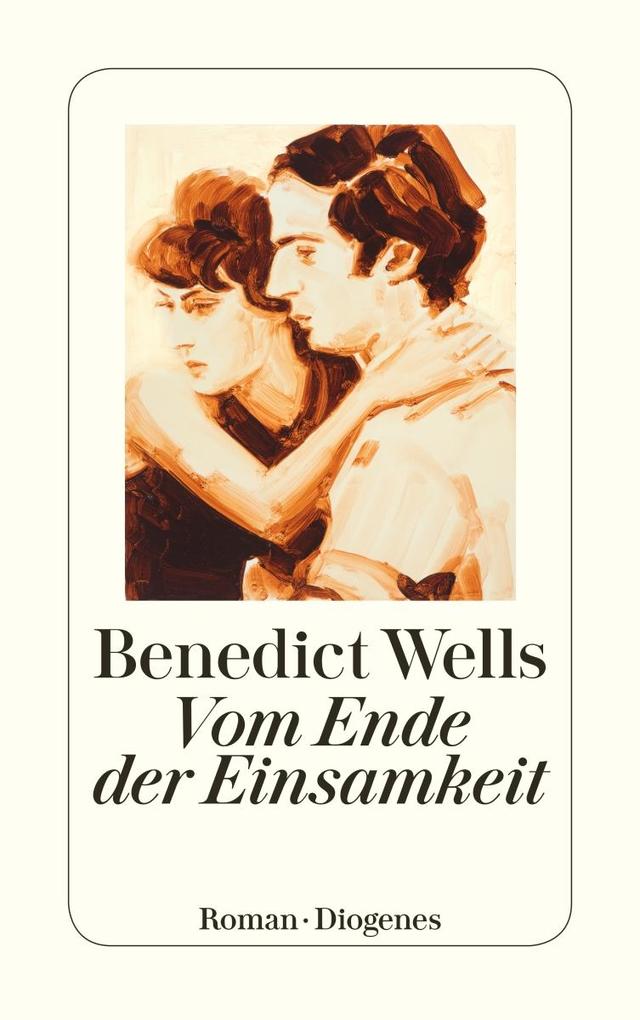
Vom Ende der Einsamkeit
Benedict Wells (2018) · 368 pages
Jules und seine beiden Geschwister wachsen behütet auf, bis ihre Eltern bei einem Unfall ums Leben kommen.
Schym
Rating
Benedict Wells’ *Vom Ende der Einsamkeit* begins with a premise that feels almost brutally simple: three siblings, an intact childhood, and then a rupture that quietly reorganizes everything that follows. What makes the novel linger isn’t the event itself, but Wells’ patient attention to its afterlife—the way loss becomes a climate rather than a moment, something you inhabit instead of overcome. The book moves with remarkable momentum, yet never feels rushed. You turn pages quickly not because of plot mechanics, but because each scene carries emotional weight that pulls you forward. Jules, at the center, and his siblings Marty and Liz are bound together less by sentiment than by shared damage. They grow into different shapes around the same wound, and Wells captures this with rare precision. The novel doesn’t argue that brothers and sisters shape our view of the world; it simply shows how impossible it is that they wouldn’t. Reading it alongside your reflection about a second child feels almost uncanny. Wells understands family not as comfort alone, but as structure. Siblings are co-witnesses to a life’s beginning. They remember the same rooms with different light, and those differences echo for decades. The bond is neither romanticized nor dismissed. Instead, the book insists—quietly, stubbornly—that these relationships matter profoundly, even when they hurt, even when they fracture. Emotionally, the novel is unafraid. It leans into vulnerability without theatrics, allowing love, grief, and longing to coexist without resolution. Loneliness is not cured here; it is negotiated, softened, sometimes endured. What emerges is a deeply humane vision of adulthood as something shaped less by independence than by the invisible threads we carry forward from childhood. This is, quite simply, a stunning novel—direct, generous, and unforgettable. It rewards readers who are willing to feel deeply and think gently about family, memory, and the quiet ways our lives are intertwined. Especially for those reconsidering what it means to bring another child into the world, this book doesn’t offer answers—but it offers something rarer: understanding.