Book Oracle
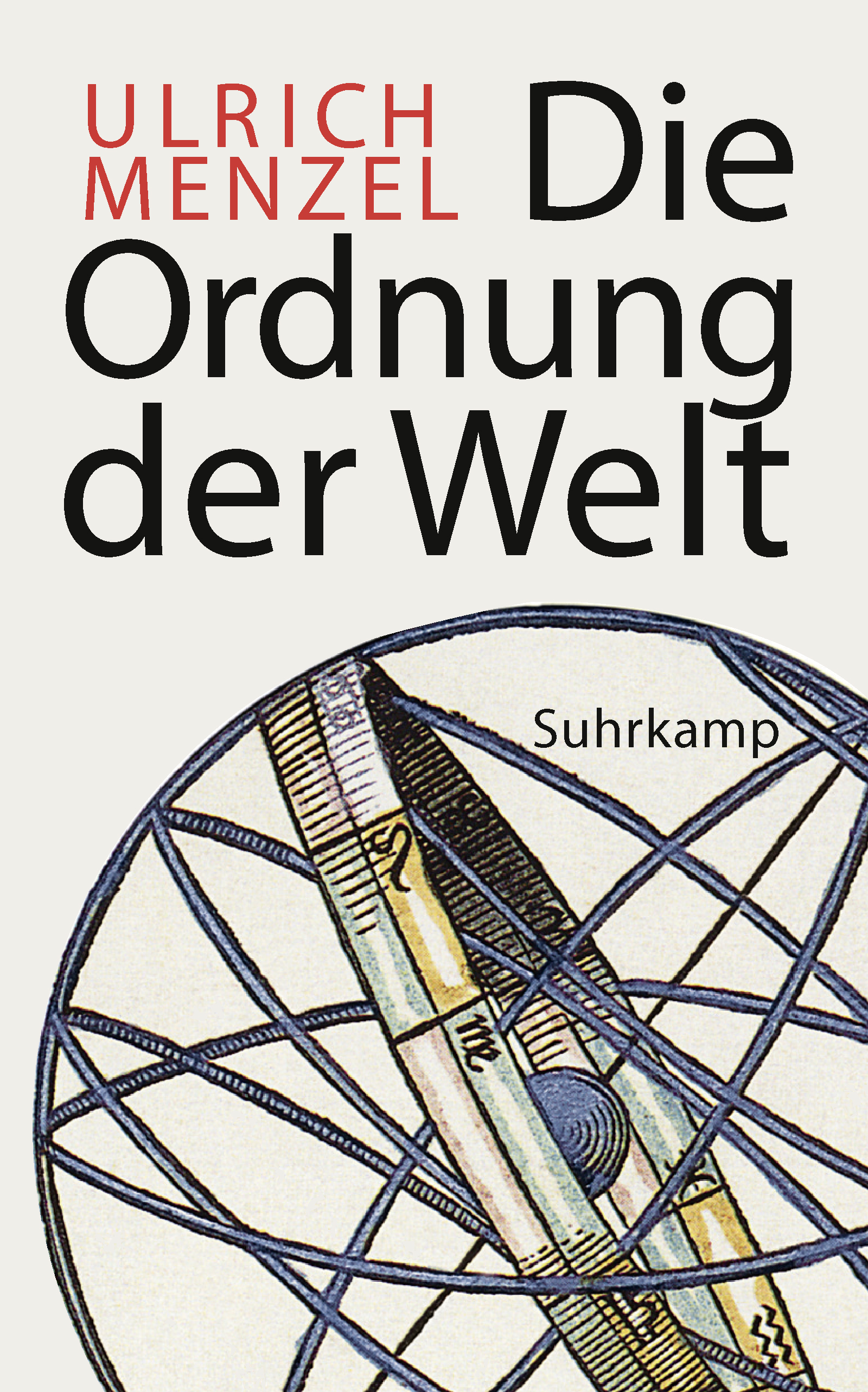
Die Ordnung der Welt
Ulrich Menzel (2024) · 1232 pages
Ulrich Menzel attempts something unfashionable and therefore valuable: a grand, comparative account of how world order is made and unmade. Moving across centuries and empires, he links power, trade, institutions, and coercion into a single interpretive framework, asking who supplies order in an anarchical state system and why the answers keep changing. The result is a sweeping history of great powers that reads less like a chronicle of events and more like an argument about structure, cycles, and the stubborn limits of cooperation.
Why read
Because it gives you a map. Not a tidy one, and not a comforting one, but a serious framework for thinking about empires, hegemony, and the recurring problem of order in world politics. If you want a single, highly synthesized book that can anchor a decade of reading and keep paying dividends, this is it.
Schym
Rating
There is a particular kind of confidence that can feel like a provocation before it becomes an invitation. Menzel’s foreword flirts with that line: self-assured to the point of arrogance, presenting the book as a benchmark rather than a contribution. It is not my favorite tone. And yet, the deeper you move into the work, the more that posture starts to read less like vanity and more like a wager: judge me by the architecture of the argument.
What follows is, quite simply, an intellectual feat. Die Ordnung der Welt does not merely collect history, it compresses and organizes it. Menzel is after the underlying grammar of world politics: how order emerges in the so called anarchy of states, how cooperation reaches its limits, and how the ability to supply order keeps migrating from one center of gravity to the next. The ambition is not to be exhaustive in the sense of listing everything, but comprehensive in the sense of leaving you with fewer blind spots.
The method is comparative and structural. Empires and great powers become case studies in recurring problems: maritime reach versus continental depth, commercial networks versus territorial control, legitimacy versus coercion, institutions versus raw capability. It is the kind of synthesis that makes you notice patterns you already half knew, and then sharpens them into something you can actually use.
This is not a book of emotional scenes or intimate voices. Its drama is conceptual: the slow, relentless pressure of incentives, constraints, and strategic misreadings. The pleasure here is the pleasure of clarity. You do not read it for warmth, you read it for orientation.
It is also not a page turner in the conventional sense. The scale is too large, the density too high, the argument too disciplined for that. But if you have ever wished for a single volume that takes the long view seriously, without turning it into slogan or anecdote, this is remarkably close to the ideal.
Verdict: five stars. A must read for anyone who wants to think in centuries rather than news cycles, and who prefers a demanding, coherent framework over bite-sized historical narration.
historyworld politicsinternational relationsgeopolitics