Book Oracle
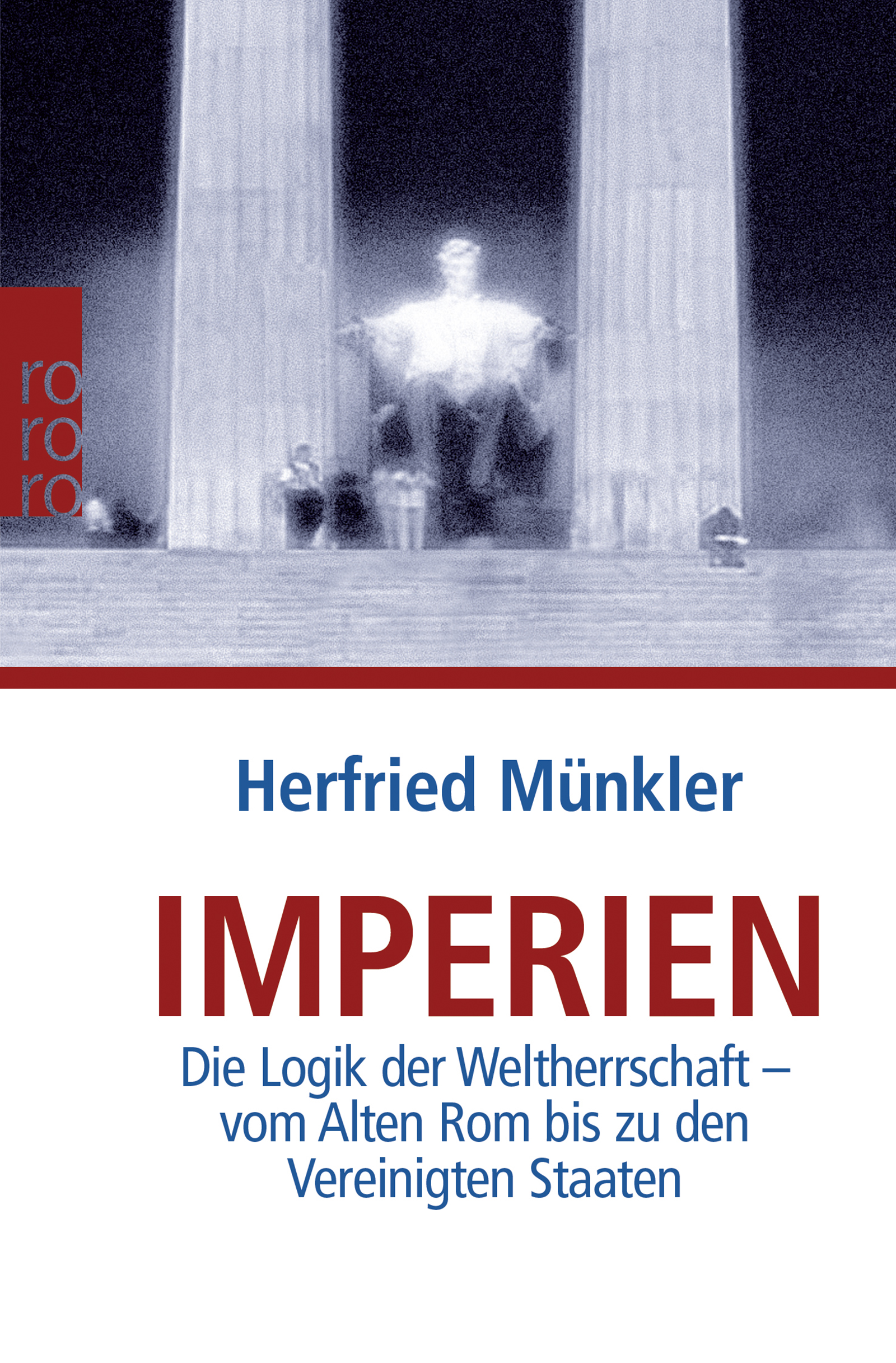
Imperien
Herfried Münkler (2014) · 336 pages
Herfried Münkler takes the idea of empire out of the museum and puts it back on the desk, where it belongs. Moving from Rome and China to the seaborne empires of early modern Europe and the United States, he asks what makes imperial orders stable, why they overreach, and how their peripheries experience rule. The book is less a chronicle than a toolkit: a way of seeing patterns in power, protection, dependency, and legitimacy across very different centuries.
Why read
Because Münkler can do the rare thing: explain the big picture without turning it into a slogan. If you want a readable, conceptually sharp guide to how empires hold together, how they unravel, and why the question still matters in today’s conflicts, this is one of the most reliable companions you can pick up.
Schym
Rating
Some books arrive with a quiet corrective energy. Imperien is one of them: it refuses the comfortable European assumption that empires are simply a closed chapter, a morally resolved past. Münkler’s starting point is almost embarrassingly practical. The world still produces imperial situations, and if you want to navigate them, you need concepts more than indignation.
What makes the book persuasive is the way it treats history as an empirical archive of political forms rather than as a moral tribunal. Münkler moves across cases with a steady hand, not to prove that everything repeats, but to isolate recurring problems: the costs of securing borders, the management of distance, the temptation of expansion, the fragile bargain between center and periphery. His best passages have the clarity of a well built model, but they stay human enough to remember that imperial order is also lived experience: protection that feels like domination, stability that breeds resentment, dependence that can look like inevitability.
The argument is demanding, in the good sense. It is not a book of anecdotes dressed up as theory, nor a theory book that forgets to be concrete. You feel Münkler’s larger project in the background, the same one that runs through his work on war and conflict: an insistence on explanation at scale, on understanding how structures generate incentives and pathologies. That breadth could have made the prose heavy, but it rarely does. The writing is unusually clean for this level of ambition, and the chapters have a rhythm that keeps you reading even when the conceptual density rises.
Because the emotional temperature is deliberately low, the book does not try to make you feel history. It tries to make you see it. The payoff is a set of durable lessons that travel well into the present: that power is as much about providing public goods as it is about coercion; that overextension is not an accident but a structural temptation; that legitimacy is not a decoration but an operating condition. Even when you disagree with an emphasis or a comparison, you are still thinking with the framework, which is the mark of a useful book.
Verdict: 4.5 stars. A rigorous, readable study of imperial logic that rewards attention without demanding reverence. Best for readers who want historical depth with analytical bite, and who prefer a lucid map of power to a sermon about it.
political sciencehistorygeopoliticsinternational relationsempire